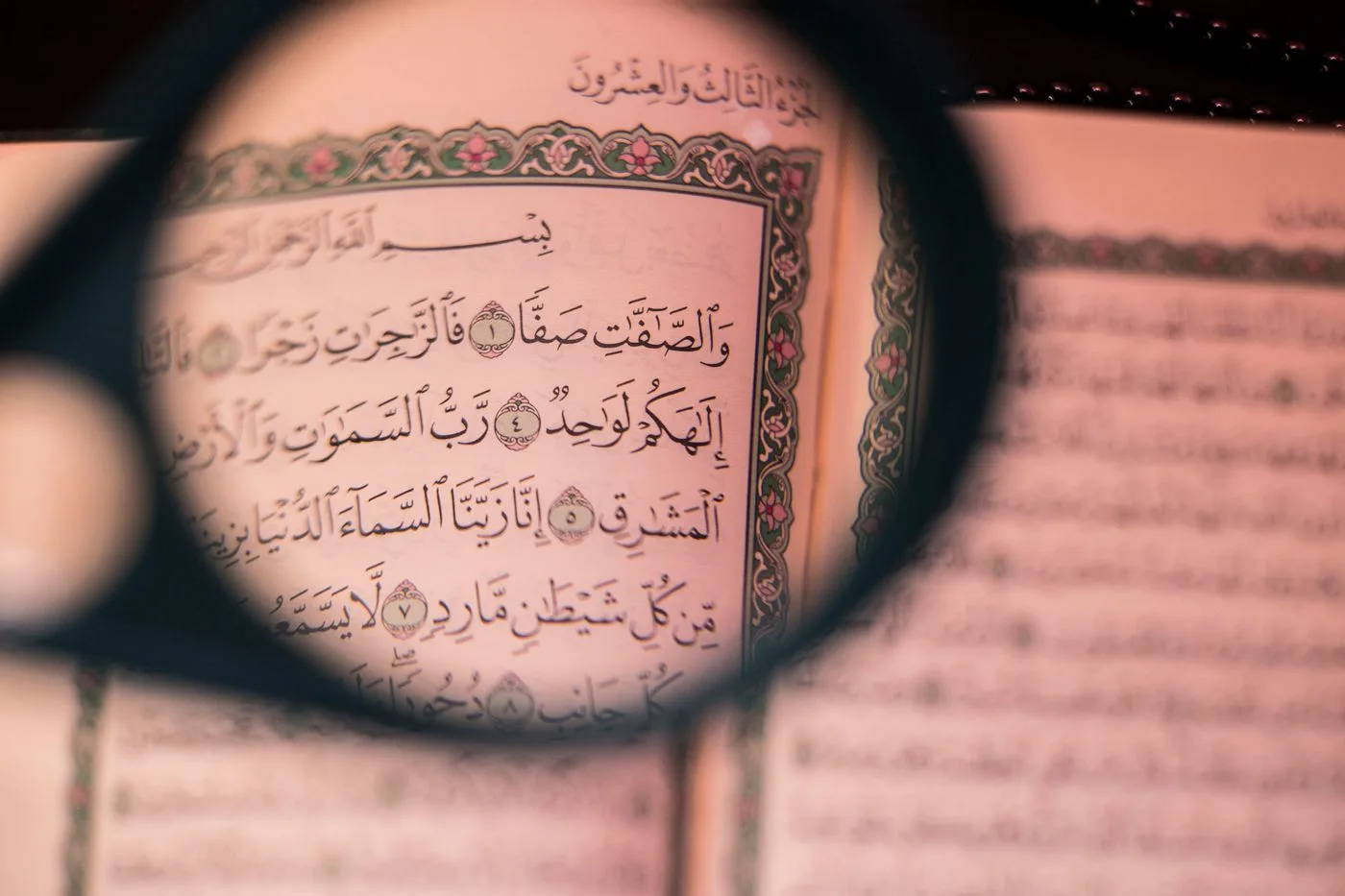


Tajweed · Level one
Tajweed for Beginners Online: Learn the Rules of Quran Recitation
The essential rules of Tajweed, explained in plain language and practised aloud in every lesson, so your recitation becomes clearer, more accurate and more beautiful.
- Theory with practice
- Children & adults
- Live one-to-one
- Free trial lesson
Overview
What is Tajweed?
Tajweed is the science of reciting the Quran correctly: giving every letter its proper articulation and characteristics, and applying the rules that govern how letters affect one another, such as nasal sounds, prolongation and stopping.
The word comes from the Arabic root meaning “to make excellent”. Tajweed preserves the way the Quran was recited by the Prophet ﷺ and transmitted from teacher to student through the generations. It protects the meaning from distortion and gives the recitation its calm, measured beauty.
This beginners’ course covers the foundational rules that every reciter needs. Each rule is explained briefly, illustrated with examples from the Quran and practised aloud with the teacher, so knowledge turns into a habit rather than staying on paper.
Who it is for
The natural next step after learning to read
New readers
Students who have finished a primer and now want to recite with proper rules.
Adults returning to the Quran
Those who read regularly but were never taught the rules of Tajweed.
Memorisers
Students of Hifz who want their memorisation built on correct recitation.
Older children
Children who read fluently and are ready for a structured Tajweed course.
What you will learn
The core rules of Tajweed
Articulation points
The makharij: where each letter is produced in the throat, tongue, lips and nose.
Noon sakinah and tanween
Izhar, idgham, iqlab and ikhfa, with clear examples from the Quran.
Meem sakinah
The three rules of meem sakinah and the correct use of ghunnah.
Madd
Natural and secondary prolongations and how many counts each one takes.
Qalqalah, heavy and light letters
The echoing letters, and when letters such as ra and lam are heavy or light.
Stopping and starting
The signs of waqf in the Mushaf and how to stop and resume correctly.
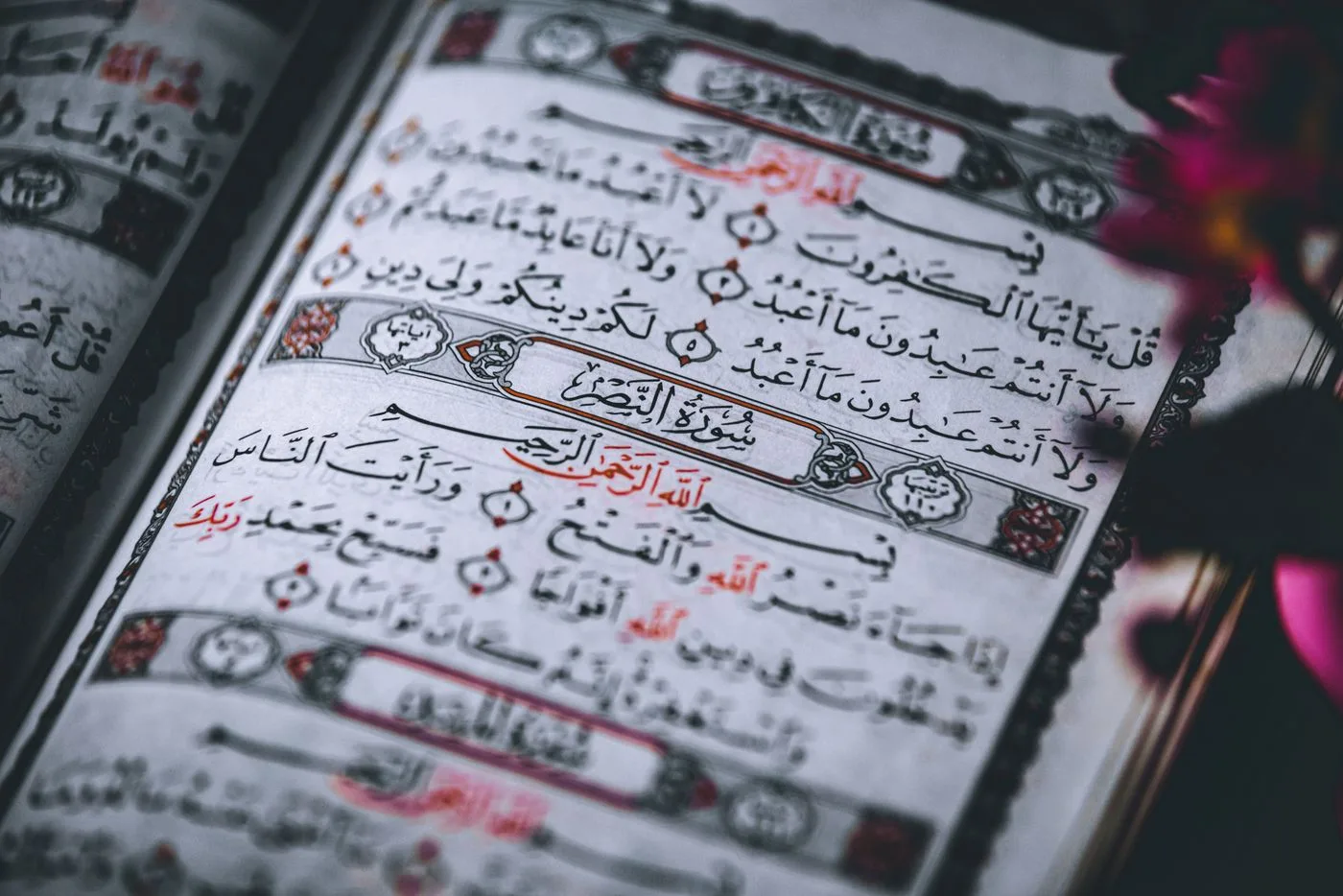
How the lessons work
Learn a rule, hear it, apply it
Every lesson combines a short explanation with plenty of recitation, so rules are learned by the ear and the tongue, not only the mind.
- 1
Explanation
The rule in simple words, with its letters and signs.
- 2
Listening
The teacher recites examples so you hear the rule clearly.
- 3
Practice
You recite the examples and the teacher corrects each one.
- 4
Application
The rule is applied across a full surah until it is automatic.
Questions
Tajweed for beginners: frequently asked questions
Do I need to read Arabic before learning Tajweed?
You should be able to read the Quranic text, even slowly. If you cannot read yet, start with Quran Reading for Beginners or the Noorani Qaida.
Why is Tajweed important?
Tajweed preserves the correct pronunciation of the Quran as it was transmitted. Without it, letters can be confused and the meaning may change.
How long is the beginners’ Tajweed course?
Many students complete the core rules in a few months with regular lessons. The teacher adjusts the pace to make sure each rule is applied correctly before moving on.
Are the lessons taught in English?
Yes. Explanations are given in English or in the learner’s preferred language, while the recitation itself is in Arabic.
What comes after this course?
Students can continue with Advanced Tajweed, or begin memorisation with Juz Amma while keeping their recitation under review.
Related programs
Continue your learning path


Make your recitation clearer from this week
Book a free trial lesson and start with the rules that will improve your recitation most.