
Arabic language · Reading
Learn to Read Arabic with Vowel Marks (Harakat) Online
Move from knowing the letters to reading real Arabic smoothly. Master the vowel marks and reading signs, then read words, sentences and short texts with accuracy and growing speed.
- After the alphabet
- Children & adults
- Live one-to-one
- Free trial lesson
Overview
What are Arabic vowel marks?
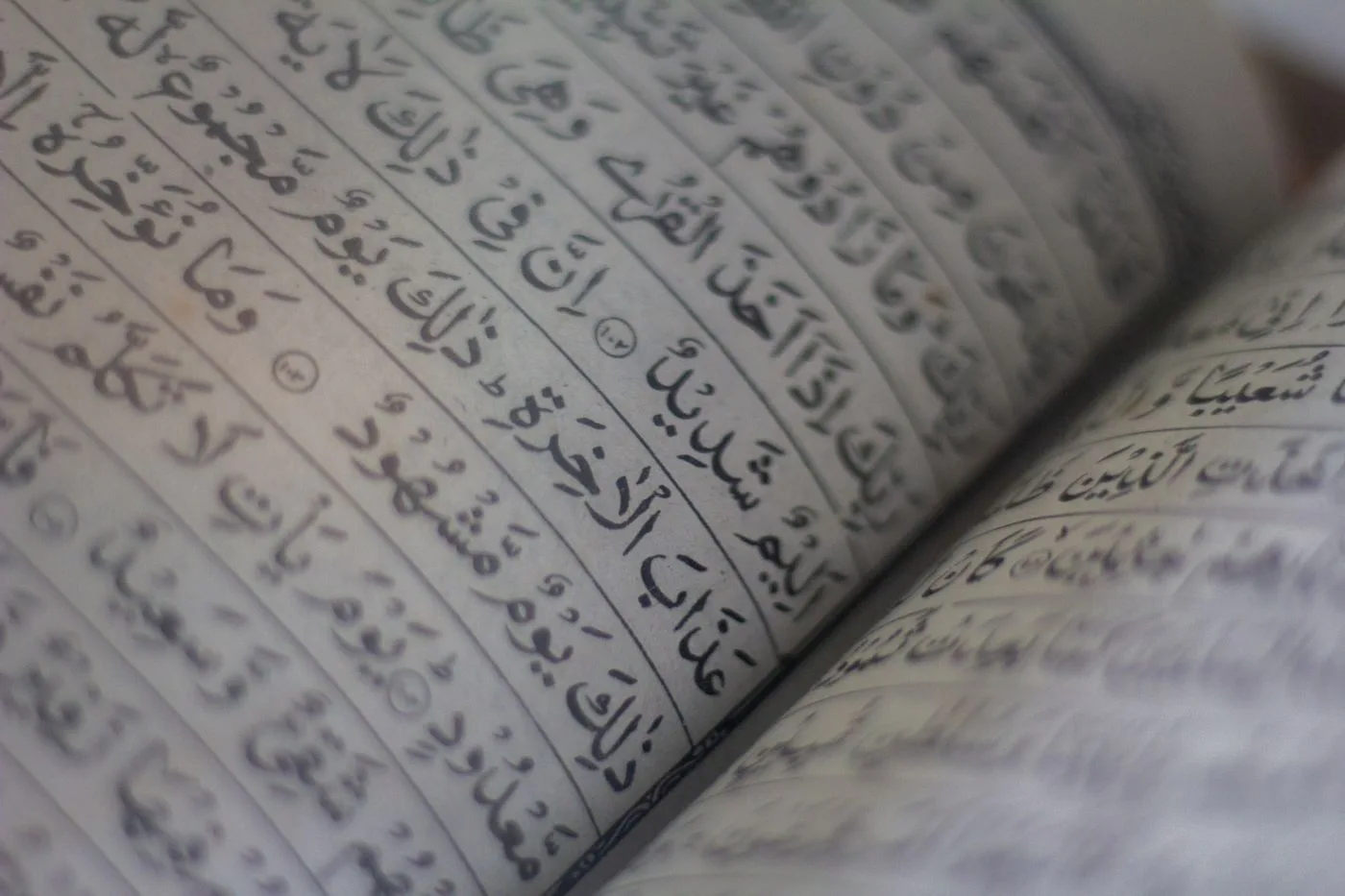
Arabic vowel marks (harakat or tashkeel) are small signs written above or below letters to show how they are pronounced. The main ones are fatha, kasra and damma for short vowels, sukoon for no vowel, shaddah for a doubled letter and tanween for the “-n” ending.
Arabic script mainly writes consonants and long vowels. Vowel marks fill in the missing sounds, which is why beginners, children’s books and the Quran use them. Learning to read vowelled text is the essential bridge between knowing the alphabet and reading Arabic with confidence.
In this course you practise each sign until it is automatic, then read increasingly longer words and sentences. The teacher listens to every word, corrects pronunciation and gradually builds your reading fluency.
Who it is for
From letters to fluent reading
Alphabet graduates
Learners who know the letters and are ready to read words.
Slow readers
Those who read letter by letter and want to read smoothly.
Children
Young learners preparing for Arabic stories and school texts.
Adult language learners
Adults who need solid reading before moving on to grammar and conversation.
What you will learn
Every sign you need to read Arabic
Short vowels
Fatha, kasra and damma on every letter, read quickly and accurately.
Long vowels
Alif, waw and ya as lengthening letters, and how to hold them.
Sukoon
Reading letters with no vowel to form closed syllables.
Shaddah
Doubling a letter correctly, with and without vowels.
Tanween
The three forms of tanween and their pronunciation at word endings.
Connected reading
Reading sentences and short texts with smooth rhythm and correct pauses.
How the lessons work
From syllables to sentences
Reading grows in clear steps, each one practised until it feels easy.
- 1
Syllables
Single letters with each vowel mark.
- 2
Words
Two- and three-letter words, then longer ones.
- 3
Sentences
Short sentences read with correct rhythm.
- 4
Texts
Short passages and stories read with confidence.
Questions
Reading with vowel marks: frequently asked questions
What are harakat in Arabic?
Harakat are the vowel marks written above or below letters: fatha, kasra and damma for short vowels, along with signs such as sukoon, shaddah and tanween.
Do I need to know the alphabet first?
Yes. If you do not yet know the letters, start with the Arabic Letters and Pronunciation program.
Will this help me read the Quran?
Yes. The Quran is fully vowelled, so this course builds the reading skill you need. Quran-specific signs are taught in our Quran reading programs.
Will I be able to read Arabic without vowel marks?
Reading unvowelled text requires vocabulary and grammar. This course is the necessary first step; our Arabic language programs continue from here.
How long does the course take?
It depends on your starting point and lesson frequency. Many learners read vowelled sentences comfortably within a few months.
Related programs
Continue your learning path
Turn letters into fluent reading
Book a free trial lesson and the teacher will assess your reading level.