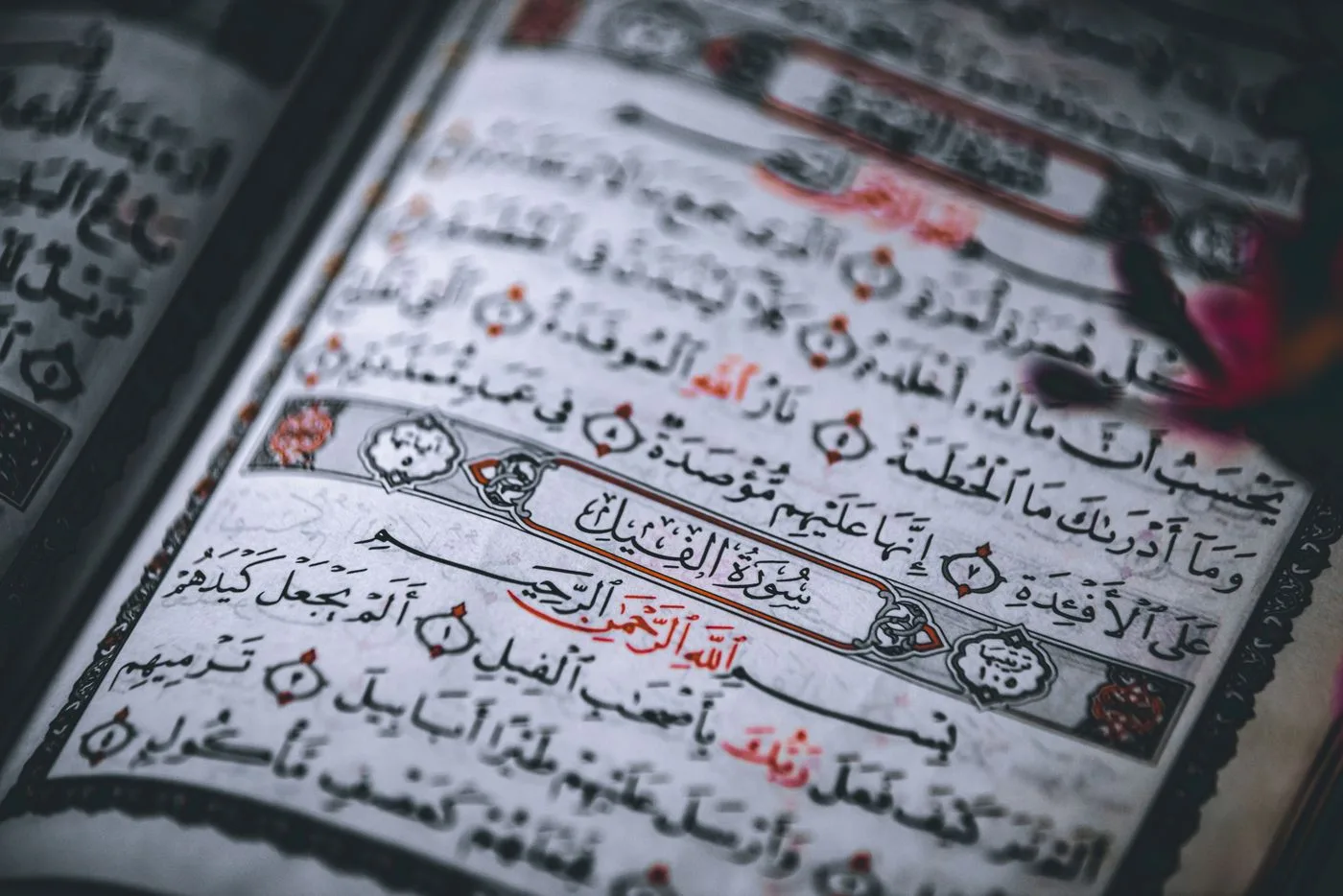


Quran recitation · All levels
Quran Recitation Correction Online with a Qualified Teacher
You already read the Quran, but you are not sure it is correct. A teacher listens to your recitation, identifies each mistake precisely and helps you fix it until correct recitation becomes natural.
- For existing readers
- Clear and hidden errors
- Live one-to-one
- Free assessment lesson
Overview
What is Quran recitation correction?
Quran recitation correction (tashih al-tilawah) is the process of reciting to a qualified teacher who detects errors in pronunciation and Tajweed and guides the reciter until each word is read as it was transmitted.
Scholars divide recitation mistakes into two kinds. Clear errors (lahn jali) change a letter or a vowel and can alter the meaning, so avoiding them is essential. Hidden errors (lahn khafi) concern the finer rules of Tajweed, such as the length of a madd or the clarity of a nasal sound, and they distinguish an accurate reciter from an average one.
Most people cannot hear their own mistakes, which is why recitation has always been learned face to face. In our lessons, you recite and the teacher stops you at the exact point of error, explains the reason, models the correct sound and asks you to repeat it until it is secure.
Who it is for
For readers who want to recite correctly
Self-taught readers
Those who learned to read alone or from recordings and want a teacher to check their recitation.
Imams and prayer leaders
Anyone who leads prayer and wants Al-Fatiha and the surahs they recite to be flawless.
Parents
Mothers and fathers who want to recite correctly before teaching their children.
Before memorisation
Students who want to correct their reading first, so they do not memorise mistakes.
What we correct
The most common recitation mistakes
Articulation points
Confusing similar letters such as ح and ه, ع and ء, or ص and س.
Heavy and light letters
Giving heavy letters their full weight and keeping light letters light.
Vowel accuracy
Short vowels pronounced fully, without stretching them or swallowing them.
Lengths of madd
Holding each prolongation for its correct count, consistently.
Noon, meem and ghunnah
Idgham, ikhfa and iqlab applied correctly, with a measured nasal sound.
Stopping correctly
Pausing at suitable places and pronouncing the last letter correctly when stopping.

How it works
A precise, four-step correction method
The program begins with an assessment so that lessons address your actual mistakes, not a generic syllabus.
- 1
Assessment
You recite a passage and the teacher records your recurring errors.
- 2
Targeted plan
The most serious errors are treated first, starting with clear errors.
- 3
Correction and drills
Each error is explained, modelled and practised in many words.
- 4
Applied recitation
Longer passages recited until the correction holds without reminders.
Questions
Recitation correction: frequently asked questions
How do I know if my recitation needs correction?
If you have never recited to a teacher, it almost certainly does. The free trial lesson includes a short assessment that shows exactly where your recitation stands.
What is the difference between lahn jali and lahn khafi?
Lahn jali is a clear error that changes a letter or vowel and may change the meaning. Lahn khafi is a subtler error in the rules of Tajweed. Both are corrected in this program, beginning with the clear errors.
Do I need to study Tajweed theory first?
No. The focus is practical. The teacher explains each rule briefly at the moment you need it, so theory always serves your recitation.
How long does correction take?
It depends on the number and type of errors. Clear errors often improve noticeably within weeks of regular lessons, while refining the finer details takes longer.
Can I correct the surahs I have already memorised?
Yes, and it is strongly recommended. You recite your memorised surahs to the teacher, who corrects them one by one.
Related programs
Continue your learning path

Recite the Quran as it was revealed
Book a free lesson: the teacher will assess your recitation and propose a correction plan.