

Islamic studies · Daily life
Learn Daily Duas and Adhkar Online: Authentic Supplications and Islamic Manners
Memorise the authentic supplications of the day and night with correct pronunciation, understand their meanings, and learn the Islamic manners that accompany them, so remembrance of Allah becomes part of daily life.
- Children & adults
- Authentic sources
- Live one-to-one
- Free trial lesson
Overview
What are duas and adhkar?
Dua is supplication, calling upon Allah in one’s own need. Adhkar (remembrances) are the phrases of praise and remembrance the Prophet ﷺ taught for specific times and situations, such as morning and evening, before sleeping, eating, travelling and after prayer.
These short words connect every part of a Muslim’s day to Allah. They bring calm, protection and gratitude, and they are among the easiest acts of worship to practise consistently. Many people know a few by heart but are unsure of the wording, pronunciation or meaning.
In this program the teacher selects authentic supplications from the Quran and reliable hadith collections, corrects your pronunciation, explains the meaning, and helps you build a daily routine. The related Islamic manners, such as etiquette of eating, greeting and entering the home, are taught alongside.
Who it is for
For everyone who wants a day filled with remembrance
Children
Short duas for daily routines, learned with joy and repetition.
Adults
Morning and evening adhkar and the supplications of daily life.
New Muslims
Essential phrases and supplications with correct pronunciation.
Families
Parents who want to build a home of remembrance together.
What you will learn
Remembrance for every part of the day
Morning and evening adhkar
The core remembrances that frame each day.
Duas of daily routines
Waking, sleeping, eating, dressing and using the washroom.
Prayer-related adhkar
Remembrances after the obligatory prayers and key supplications in prayer.
Duas from the Quran
Supplications of the prophets mentioned in the Quran.
Travel and special situations
Supplications for travel, rain, distress, illness and gratitude.
Islamic manners
Etiquette of greeting, eating, visiting and speaking well.
How the lessons work
Learn it, understand it, live it
Each dua is learned correctly, understood and then turned into a daily habit.
- 1
Correct wording
The authentic text read and pronounced accurately.
- 2
Meaning
A clear explanation of what you are saying to Allah.
- 3
Memorisation
Repetition until the dua is known by heart.
- 4
Daily practice
A routine and follow-up so the habit lasts.
Questions
Daily duas: frequently asked questions
What is the difference between dua and dhikr?
Dua is asking Allah for something, while dhikr is remembering and praising Him. Many daily adhkar combine both.
Are the supplications you teach authentic?
Yes. We teach supplications from the Quran and authentic hadith collections, and we mention the source when helpful.
Can I make dua in my own language?
Personal supplication is permissible in any language. Learning the prophetic wording in Arabic adds the blessing of following the Sunnah, and its meaning is always explained.
Is this program suitable for young children?
Yes. Children start with short, frequent duas linked to their daily routine, learned through repetition and encouragement.
Do I need to read Arabic?
It helps but is not required. The teacher can teach by listening and repetition, with transliteration support where needed.
Related programs
Continue your learning path
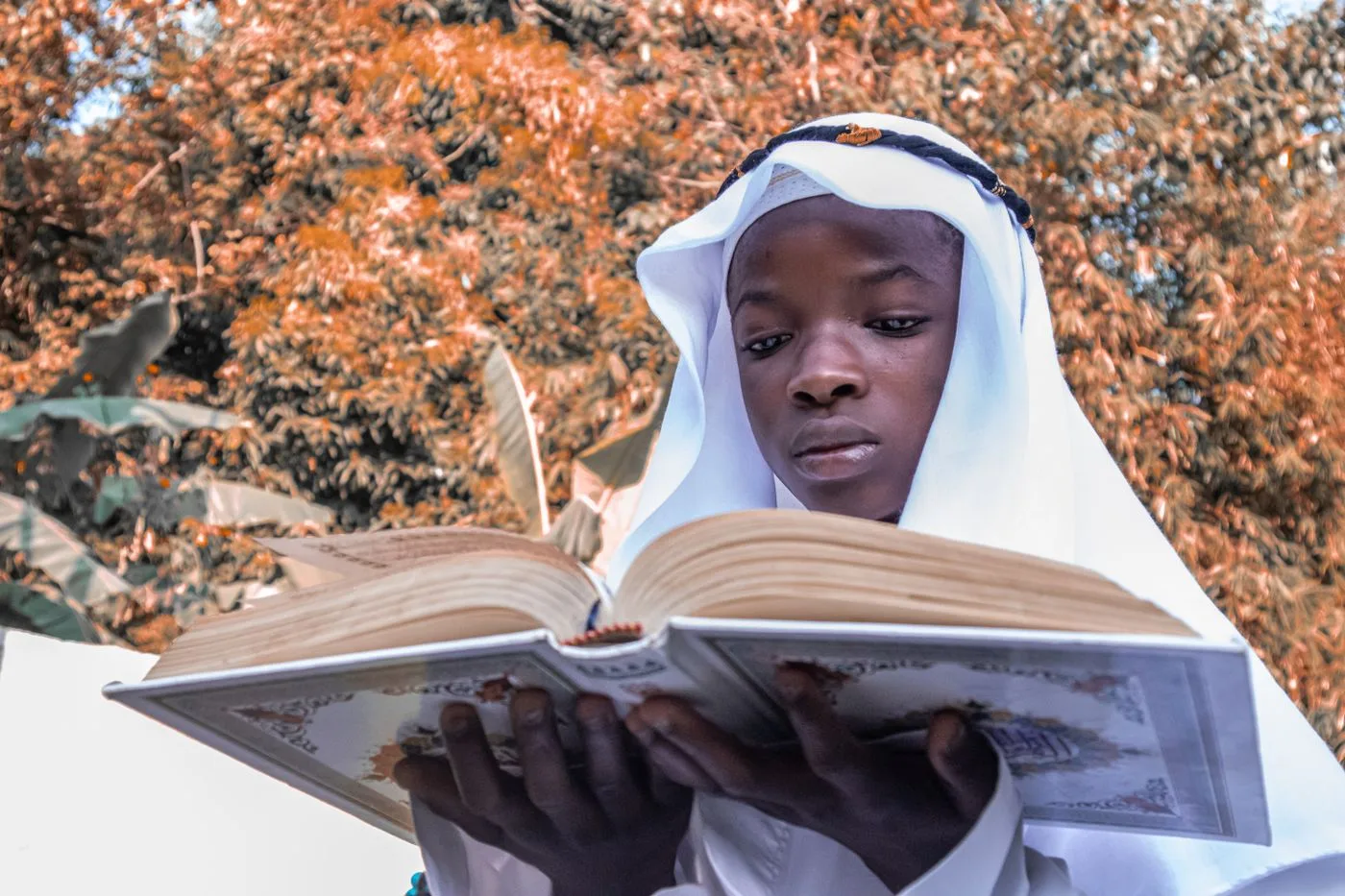
Fill your day with the remembrance of Allah
Book a free trial lesson and start learning the daily duas with a teacher.